Boost Your Portfolio with Smart Art Investments: Art Portfolio Diversification
Investing in art offers a unique opportunity to diversify your portfolio beyond traditional assets. Art can provide both financial returns and cultural value. I have seen how strategic art investments can enhance a portfolio’s resilience and appeal. This post explores how to approach art portfolio diversification with precision and insight.
Understanding Art Portfolio Diversification
Diversification is a fundamental principle in investment. It reduces risk by spreading assets across different categories. Art portfolio diversification means including various types of artworks, artists, and styles to balance potential returns and risks.
Art markets behave differently from stocks or bonds. They are less correlated with economic cycles, which can protect your portfolio during market downturns. For example, contemporary art may perform well when classic art prices stagnate. Including both can stabilize overall returns.
To diversify effectively, consider:
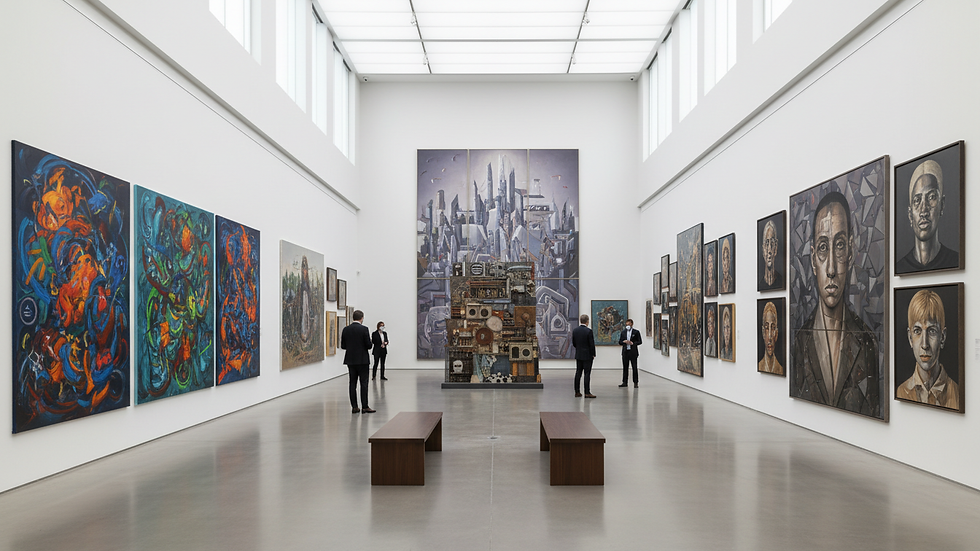
Mediums: Paintings, sculptures, photography, digital art.
Periods: Contemporary, modern, post-war, classical.
Geographies: Local artists, international markets.
Artists: Emerging talents and established names.
This approach spreads risk and taps into multiple growth opportunities.
How to Identify Smart Art Investments
Smart art investments require research and strategic thinking. I recommend focusing on quality, provenance, and market trends.
Quality: Look for works with strong artistic merit and craftsmanship. Quality often correlates with long-term value.
Provenance: Verify the artwork’s history and authenticity. Clear provenance reduces risk.
Market Trends: Track auction results, gallery sales, and collector interest. Emerging artists with growing recognition can offer high returns.
Use expert appraisals and consult art advisors to validate your choices. Avoid impulsive purchases based on hype or trends alone.
Consider investing in art funds or fractional ownership platforms if direct acquisition is not feasible. These options provide access to curated collections and professional management.
Building a Balanced Art Portfolio
A balanced art portfolio blends different elements to optimize growth and minimize risk. I suggest the following steps:
Set Clear Objectives: Define your investment goals. Are you seeking capital appreciation, income through leasing, or cultural prestige?
Allocate Capital Wisely: Decide how much of your total portfolio to allocate to art. Typically, 5-10% is prudent.
Mix Asset Types: Combine blue-chip artists with emerging talents. Include various mediums and styles.
Regularly Review: Monitor market developments and adjust holdings accordingly.
For example, pairing a classic Picasso with a promising contemporary artist can balance stability and growth potential.

Leveraging Art to Enhance Corporate Identity
Art investments do more than diversify portfolios. They can elevate corporate environments and brand identity. Displaying curated art collections in offices or public spaces fosters cultural dialogue and reflects corporate values.
Art can:
Inspire creativity among employees.
Impress clients and partners.
Signal commitment to cultural engagement.
Integrating art into business strategy aligns with Solstice projects’ mission to merge art and business. This approach creates meaningful collections that serve both financial and cultural purposes.
Practical Tips for Managing Art Investments
Managing an art portfolio requires ongoing attention. Here are practical tips I follow:
Documentation: Keep detailed records of purchases, appraisals, and provenance.
Insurance: Protect your assets with appropriate insurance coverage.
Storage and Maintenance: Ensure artworks are stored and displayed under optimal conditions.
Liquidity Planning: Understand that art is less liquid than stocks. Plan exit strategies carefully.
Networking: Build relationships with galleries, auction houses, and art advisors.
These steps safeguard your investment and maximize its potential.
Embrace Art as a Strategic Asset
Art investment is not just about passion; it is a strategic move to diversify and strengthen your portfolio. By applying disciplined research, diversification, and management, you can unlock the financial and cultural benefits of art.
Start by evaluating your current portfolio and identifying opportunities to include art. Consult experts and stay informed about market trends. Take action today to boost your portfolio with smart art investments.
For more insights on building meaningful art collections, visit Solstice projects.


Comments