Boosting Corporate Culture Through Art: Corporate Art Strategies
Corporate culture shapes the identity and success of any organization. It influences employee engagement, innovation, and overall productivity. One powerful yet often overlooked tool to enhance corporate culture is art. Integrating art into the workplace can transform environments, inspire creativity, and foster a sense of community. I explore how corporate art strategies can boost culture and provide actionable steps to implement them effectively.
The Role of Corporate Art Strategies in Enhancing Culture
Art in the workplace is more than decoration. It serves as a medium for communication, reflection, and connection. Corporate art strategies involve deliberate planning and curation of artworks that align with company values and goals. These strategies help create an environment where employees feel valued and motivated.
Art can:
Encourage creativity: Visual stimuli spark new ideas and problem-solving approaches.
Promote inclusivity: Diverse artworks reflect varied perspectives and backgrounds.
Enhance well-being: Art reduces stress and improves mood.
Strengthen identity: Customized art reinforces brand values and mission.
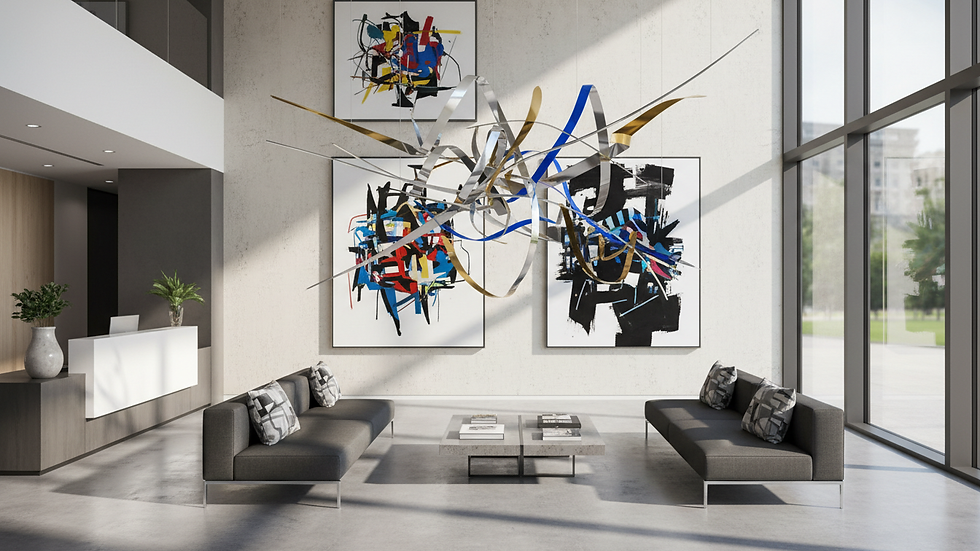
For example, a technology firm might display abstract pieces symbolizing innovation and forward-thinking. A financial institution could showcase historical art that reflects stability and trust. These choices communicate messages that resonate with employees and visitors alike.
Practical Steps to Implement Corporate Art Strategies
Implementing art in corporate settings requires thoughtful planning. Here are key steps to consider:
Assess company values and culture
Identify core values and cultural traits. This understanding guides art selection to ensure alignment.
Engage stakeholders
Involve leadership, employees, and art consultants in the decision-making process. This fosters ownership and relevance.
Set a budget and scope
Determine how much to invest and whether to focus on permanent collections, rotating exhibits, or commissioned pieces.
Choose art that tells a story
Select works that reflect company history, mission, or future vision. Storytelling through art deepens emotional connection.
Create interactive experiences
Incorporate art that invites participation, such as collaborative murals or digital installations.
Plan for maintenance and updates
Regularly refresh the collection to keep the environment dynamic and engaging.
Measure impact
Use surveys and feedback to evaluate how art influences employee satisfaction and productivity.
By following these steps, corporations can build meaningful art collections that enhance their culture and brand.
Art as a Catalyst for Employee Engagement
Employee engagement is critical for organizational success. Art can play a significant role in increasing engagement by creating inspiring and comfortable spaces. When employees interact with art, they experience:
Increased motivation: Art stimulates curiosity and enthusiasm.
Better collaboration: Shared art experiences encourage dialogue and teamwork.
Enhanced creativity: Exposure to diverse artistic styles broadens thinking.
For instance, hosting art workshops or artist talks can deepen employee involvement. Encouraging employees to contribute ideas for art projects fosters a sense of belonging. These activities create a vibrant workplace where people feel connected and valued.

Building a Diverse and Inclusive Art Collection
Diversity and inclusion are essential components of modern corporate culture. Art collections should reflect this commitment by showcasing works from various cultures, backgrounds, and perspectives. This approach:
Celebrates differences: Highlights unique stories and experiences.
Promotes cultural dialogue: Encourages understanding and respect.
Attracts diverse talent: Signals an inclusive workplace.
To build such a collection, consider:
Partnering with local and international artists from underrepresented groups.
Featuring rotating exhibits that spotlight different cultures.
Incorporating art that addresses social issues relevant to the company and community.
Diverse art collections enrich the workplace and demonstrate a genuine commitment to inclusion.
Leveraging Art to Strengthen Brand Identity
Art can be a strategic asset in reinforcing brand identity. Carefully curated collections communicate a company’s values and vision to employees, clients, and partners. This alignment helps:
Differentiate the brand: Unique art sets the company apart.
Create memorable experiences: Art leaves lasting impressions.
Support marketing efforts: Visual storytelling complements brand messaging.
For example, a company focused on sustainability might display eco-themed art or use recycled materials. A firm emphasizing innovation could showcase futuristic or technology-inspired pieces. These choices reinforce the brand narrative and create cohesive environments.
Next Steps to Integrate Art into Your Corporate Culture
Start by evaluating your current workplace environment. Identify areas where art can make the most impact. Consult with art professionals to develop a tailored corporate art strategy. Engage employees in the process to ensure the collection resonates with them.
Remember to:
Prioritize authenticity and alignment with company values.
Balance aesthetics with functionality.
Use art to foster dialogue and connection.
By investing in art, you invest in your people and your culture. This approach supports long-term success and positions your organization as a leader in corporate culture innovation.
Explore how Solstice projects can help you build meaningful art collections that merge art and business while diversifying your portfolios and fostering cultural dialogue. Visit Solstice projects to learn more.


Comments