Unlocking the Potential of Fractional Art Ownership: Corporate Art Ownership Benefits
Art has long been a symbol of prestige and cultural value. Today, it also represents a strategic asset for corporations and high-net-worth individuals. The evolving landscape of art investment introduces new opportunities to diversify portfolios and enhance corporate identity. One such opportunity is fractional art ownership, a model that democratizes access to valuable artworks. This post explores how corporations can benefit from art ownership, the mechanics of fractional ownership, and practical steps to integrate art into business strategy.
Corporate Art Ownership Benefits: Strategic and Financial Advantages
Owning art offers more than aesthetic pleasure. For corporations, it provides tangible benefits that align with business goals. Art can enhance brand image, foster employee engagement, and serve as a financial asset.
Brand Differentiation: Art collections create a unique corporate identity. Displaying curated pieces in offices or public spaces signals sophistication and commitment to culture.
Employee Engagement: Art stimulates creativity and improves workplace ambiance. It can boost morale and encourage innovative thinking.
Financial Diversification: Art often appreciates over time, offering an alternative investment class. It can hedge against market volatility and inflation.
Tax Incentives: In some jurisdictions, art acquisitions qualify for tax deductions or favorable depreciation schedules.
Cultural Dialogue: Supporting artists and cultural initiatives positions the corporation as a community leader.
To maximize these benefits, corporations should develop a clear art acquisition strategy aligned with their values and financial objectives. Partnering with experts ensures informed decisions and proper asset management.

Understanding Fractional Art Ownership
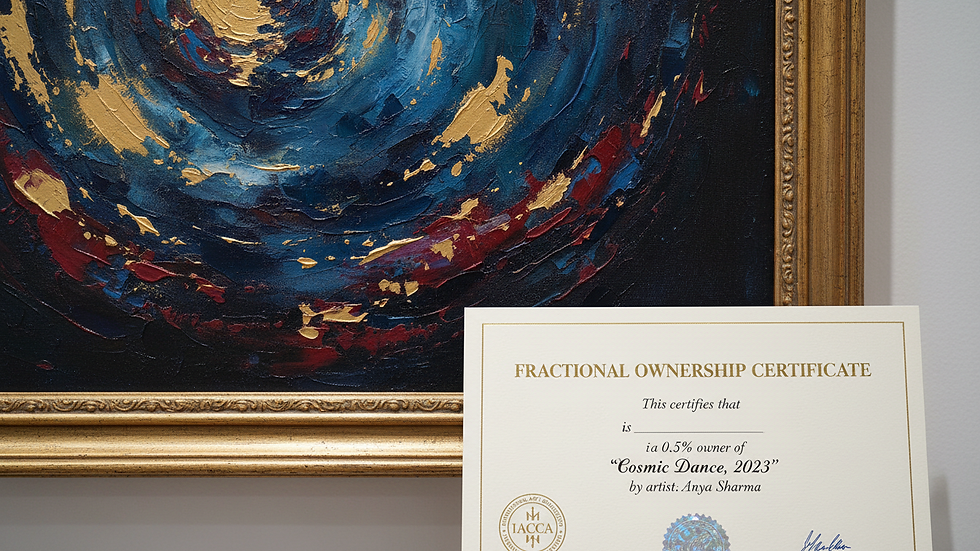
Fractional art ownership allows multiple investors to share ownership of a single artwork. This model lowers the entry barrier to high-value art and spreads risk among participants.
Accessibility: Investors can acquire shares in expensive artworks without the need for full capital outlay.
Liquidity: Shares can be traded on secondary markets, providing flexibility not typically available in traditional art investments.
Shared Costs: Maintenance, insurance, and storage expenses are divided among owners.
Professional Management: Artworks are often managed by specialized firms that handle authentication, conservation, and exhibition.
This approach suits corporations seeking to diversify their investment portfolio while engaging with art. It also enables participation in high-profile pieces that would otherwise be unattainable.
For example, a corporation might invest in a fractional share of a renowned painting. The artwork can be displayed in rotating locations or loaned to exhibitions, enhancing visibility and cultural capital.
What is the 70 30 Rule in Art?
The 70 30 rule is a guideline used in art investment and collection management. It suggests that 70 percent of an art collection should consist of established, blue-chip artists, while 30 percent can be allocated to emerging or experimental artists.
Stability and Growth: The 70 percent allocation to established artists provides stability and potential appreciation.
Innovation and Diversity: The 30 percent allocation encourages exploration of new trends and supports emerging talent.
Risk Management: Balancing the portfolio reduces exposure to market fluctuations and speculative risks.
Corporations can apply this rule to build collections that are both financially sound and culturally dynamic. It also aligns with corporate social responsibility by supporting new artists.
Practical Steps to Integrate Art into Corporate Strategy
To unlock the full potential of art ownership, corporations should follow a structured approach:
Define Objectives: Clarify whether the goal is investment, branding, employee engagement, or a combination.
Set a Budget: Determine the financial commitment and allocate resources accordingly.
Engage Experts: Collaborate with art advisors, curators, and legal professionals.
Select Artworks: Use criteria such as artist reputation, provenance, and market trends.
Consider Fractional Ownership: Evaluate opportunities to invest in shares of high-value pieces.
Plan Display and Use: Decide on locations for exhibiting art to maximize impact.
Manage and Maintain: Establish protocols for conservation, insurance, and documentation.
Review and Adjust: Periodically assess the collection’s performance and relevance.
By following these steps, corporations can create meaningful art collections that support business goals and cultural engagement.
Embracing the Future of Art Investment
The art market continues to evolve with technology and innovative ownership models. Fractional art ownership represents a significant shift, making art investment more inclusive and dynamic. Corporations that embrace this model position themselves at the forefront of cultural and financial innovation.
Explore opportunities to diversify your portfolio and enhance your corporate identity through art. Collaborate with experts to navigate this complex market. Unlock the potential of art as a strategic asset and cultural bridge.
Take action today. Begin building a collection that reflects your values and ambitions. Harness the power of art to inspire, engage, and grow.
This post aims to provide practical insights for corporations and high-net-worth individuals interested in art ownership. For tailored advice, consult with art investment professionals.


Comments