Why Diversify Your Art Investments: A Strategic Approach to Art Investment Diversification
Investing in art offers more than aesthetic pleasure. It provides a unique opportunity to enhance your financial portfolio. However, relying on a single artist, style, or market segment can expose you to unnecessary risks. Diversifying your art investments is essential to balance potential returns and mitigate volatility. I will explain why diversification matters and how to implement it effectively.
Understanding Art Investment Diversification
Art investment diversification means spreading your investments across different types of artworks, artists, periods, and markets. This approach reduces the impact of any single asset's poor performance on your overall portfolio. Just as in traditional finance, diversification in art helps manage risk and improve long-term stability.
For example, investing solely in contemporary art may expose you to market trends that can fluctuate rapidly. Including classical, modern, and emerging artists can balance these fluctuations. Additionally, diversifying geographically by acquiring works from different regions can protect against localized economic downturns.
Benefits of Diversifying Art Investments
Risk Reduction: Different art segments react differently to economic changes.
Enhanced Liquidity: A varied portfolio increases chances of selling assets when needed.
Potential for Higher Returns: Exposure to emerging artists or markets can yield significant appreciation.
Cultural and Aesthetic Variety: A diverse collection fosters richer cultural dialogue and engagement.

How to Diversify Your Art Portfolio Effectively
Diversification requires strategic planning and knowledge. Here are practical steps to diversify your art investments:
1. Mix Art Periods and Styles
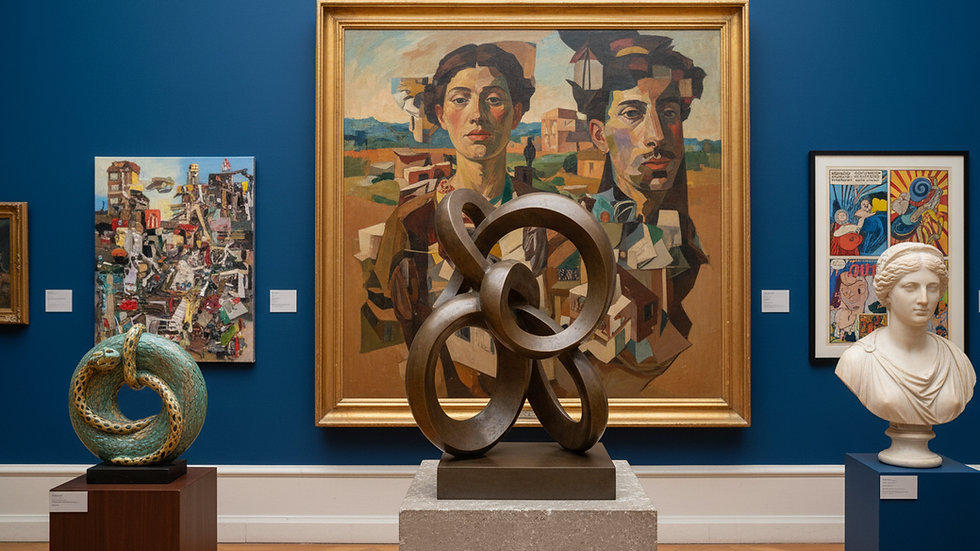
Include artworks from different periods such as classical, modern, and contemporary. Each period has distinct market dynamics. For instance, classical art tends to be more stable, while contemporary art offers growth potential.
2. Invest in Various Mediums
Do not limit yourself to paintings. Consider sculptures, photography, prints, and digital art. Different mediums appeal to different collectors and markets, spreading your risk.
3. Explore Emerging and Established Artists
Balance your portfolio with works from established artists who have proven market value and emerging artists with growth potential. Emerging artists can offer high returns but come with higher risk.
4. Geographic Diversification
Acquire art from different regions and countries. This strategy protects your portfolio from regional economic or political instability.
5. Use Professional Advice
Consult art advisors and market experts. They provide insights into trends, valuations, and authenticity, helping you make informed decisions.
The Role of Market Trends in Art Investment Diversification
Art markets are influenced by trends, economic cycles, and cultural shifts. Understanding these factors is crucial for diversification.
For example, during economic downturns, blue-chip art often retains value better than speculative pieces. Conversely, in booming markets, contemporary and emerging art may outperform. By diversifying, you position your portfolio to benefit from various market conditions.
Monitoring and Adjusting Your Portfolio
Regularly review your collection’s performance. Adjust your holdings based on market developments and your investment goals. This proactive approach ensures your portfolio remains balanced and aligned with your objectives.
Practical Recommendations for Building a Diversified Art Collection
Set Clear Investment Goals: Define your financial and cultural objectives.
Allocate Budget Wisely: Distribute funds across different art categories.
Research Thoroughly: Study artists, market trends, and provenance.
Attend Auctions and Fairs: Gain exposure to a wide range of artworks.
Document and Insure Your Collection: Protect your assets properly.
Why Diversification Aligns with Business and Cultural Goals
Diversifying art investments is not only a financial strategy but also a way to foster cultural dialogue. A varied collection reflects diverse perspectives and histories, enriching corporate environments and personal spaces.
Solstice projects aims to be the go-to expert for corporations and high-net-worth individuals looking to build meaningful art collections, helping them merge art and business while diversifying their portfolios and fostering cultural dialogue. This dual focus enhances both financial returns and cultural value.
Taking the Next Step in Art Investment Diversification
Start by evaluating your current art holdings. Identify gaps in style, period, or geography. Seek expert advice to explore new opportunities. Remember, diversification is a continuous process that evolves with the market and your goals.
Invest with intention. Build a collection that balances risk, maximizes potential, and enriches your environment. Diversify your art investments today to secure a resilient and rewarding portfolio for tomorrow.


Comments